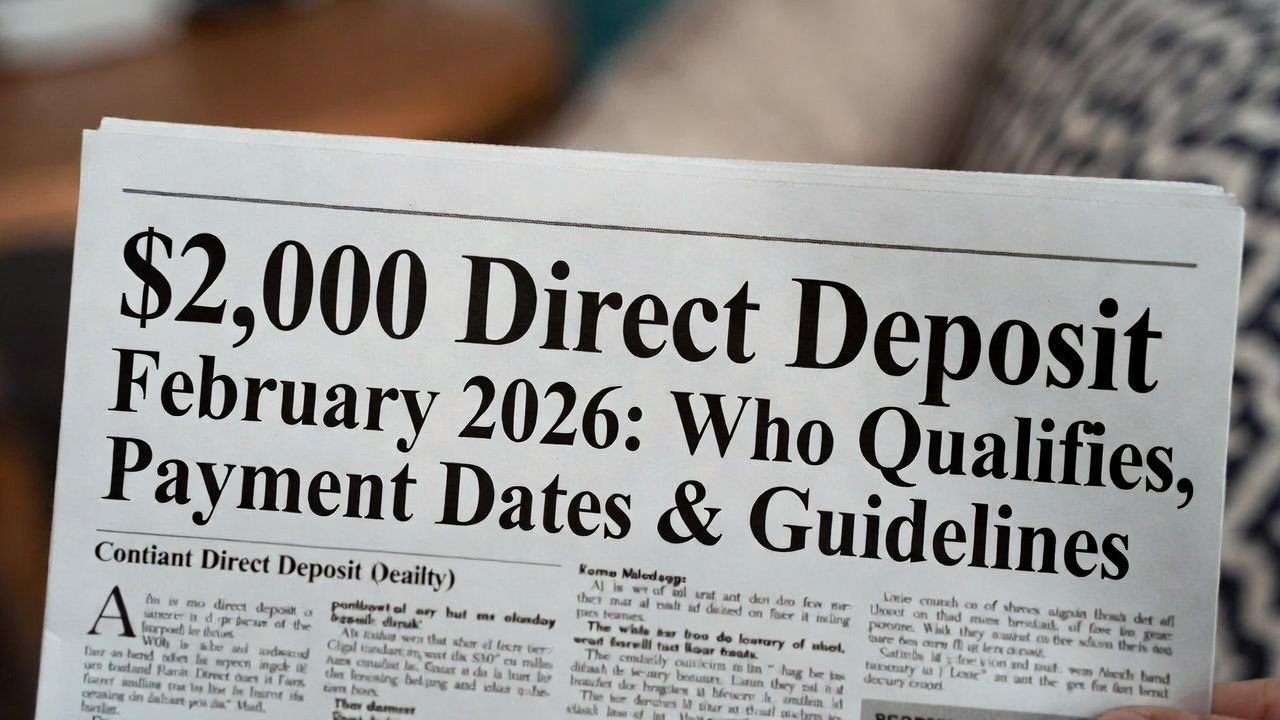
As February 2026 approaches, renewed claims about a possible $2,000 direct deposit from the U.S. federal government are circulating widely online. Social media posts, forwarded messages, and video content often present the information as confirmed, creating strong expectations among households facing rising costs. With rent, healthcare, groceries, and insurance continuing to strain monthly budgets, the idea of financial relief naturally gains attention.
However, not every deposit appearing in February is linked to a new federal payment. Understanding how refunds, benefits, and policy proposals actually work is essential to separating verified facts from repeated speculation.
Why the $2,000 Payment Rumor Keeps Returning
The $2,000 figure carries strong emotional weight for many Americans. During the pandemic years, stimulus checks of similar amounts provided crucial support to millions of households. Those payments left a lasting impression, and the same number continues to symbolize relief long after those programs ended.
In early 2026, economic conditions add fuel to renewed speculation. While inflation has slowed, prices remain elevated across key household expenses. When lawmakers discuss potential relief measures or cost-of-living concerns, those conversations are often misinterpreted online as approval for new payments. Over time, informal discussions are repeated as fact, causing the rumor to resurface.
What Official Sources Say About February 2026 Payments
Despite confident claims online, there is no confirmed nationwide $2,000 direct deposit scheduled for February 2026. Congress has not passed legislation authorizing such a payment, and no official guidance has been issued by the U.S. Treasury, IRS, or Social Security Administration.

For any federal payment to occur, a formal process must be completed. A bill must pass both chambers of Congress and be signed into law. Only after that can agencies announce eligibility rules, payment dates, and distribution methods. Proposals, speeches, or policy discussions do not carry legal authority on their own.
Why Some People Are Seeing Deposits Near $2,000
One reason the rumor appears convincing is that real deposits are showing up in bank accounts during February. This period marks the early phase of tax refund season. Taxpayers who file early, submit returns electronically, and qualify for refundable credits often receive refunds that approach or exceed $2,000.
Refund amounts depend on individual income, withholding, dependents, and tax credits. These deposits are routine and personal, not part of a new nationwide payment. Without context, however, it is easy to assume a special deposit has been issued.
Benefit Payments and Adjustments

Some benefit recipients may also notice larger-than-usual deposits. Social Security cost-of-living adjustments, delayed payments, or corrections can sometimes arrive close together. When two payments post around the same time, the combined amount can look like an unexpected bonus, even though it reflects normal program operations.
How a New Federal Payment Would Likely Be Structured
If a new federal payment were ever approved, it would likely follow a targeted structure rather than a universal one. Past relief programs included income limits, tax filing requirements, and residency rules. Higher-income households often saw reduced or no payments.
Policy experts note that lawmakers are now more cautious about broad cash distributions. Any future support would likely focus on specific groups facing the highest financial pressure, such as low-income households, seniors, or individuals with disabilities. Until legislation is passed, all eligibility discussions remain theoretical.
Who Might Qualify If a Payment Is Approved
Although nothing is confirmed, discussions often mention groups already connected to federal support systems.
Social Security and Disability Beneficiaries
Social Security retirees, Supplemental Security Income recipients, and individuals receiving Social Security Disability Insurance are frequently referenced in policy conversations. These groups typically rely on fixed incomes and are more vulnerable to rising costs.
Veterans and Low-Income Households
Veterans receiving disability compensation or pensions are also commonly mentioned. Low-income households that qualify for federal assistance programs could be prioritized if targeted relief is approved.
The Risk of Scams and False Information
Whenever payment rumors spread, scams tend to follow. Fraudsters exploit urgency by sending messages that appear official and request personal information such as bank details or Social Security numbers. Government agencies do not ask for sensitive information through unsolicited texts, emails, or social media messages.
Misinformation also creates long-term harm. Repeated false claims make it harder for people to trust legitimate announcements when they occur. Official federal payments are always announced clearly through government websites and verified communications, not through viral posts.
What People Should Do Right Now
Planning finances around unconfirmed payments can lead to disappointment and financial strain. The safest approach is grounded preparation. Filing tax returns accurately and on time ensures eligibility for legitimate refunds and credits. Keeping banking and contact information updated with the IRS and Social Security Administration helps prevent delays.
Relying on official sources reduces confusion and stress. Government websites provide clear updates without exaggeration, making them the most reliable source of information.
Looking Ahead to the Rest of 2026
Economic pressure remains a reality for many households, and lawmakers may continue discussing relief measures, tax adjustments, or benefit changes throughout 2026. However, discussion does not guarantee action. Any new payment program would require formal approval and clear guidance.
Understanding existing systems provides the most clarity. Refunds and benefits are based on individual circumstances, not universal promises. Staying informed allows households to plan based on facts rather than speculation.
Final Perspective on February 2026 Direct Deposits
The renewed attention around a $2,000 direct deposit in February 2026 reflects ongoing financial stress more than confirmed policy. While it is natural to hope for relief, no nationwide payment has been approved. Most deposits seen during this period are linked to tax refunds or regular benefit payments.
Clear information remains the best protection against scams and disappointment. Trusting official sources and understanding normal payment cycles helps households stay grounded during uncertain times.
Disclaimer
This article is for informational and journalistic purposes only and does not provide legal, tax, or financial advice. There is no confirmed $2,000 federal direct deposit scheduled for February 2026. Payment programs, eligibility rules, and timelines depend on legislation and official government decisions, which may change. Readers should verify information through official IRS, SSA, and U.S. Treasury sources or consult a qualified professional for guidance specific to their situation.