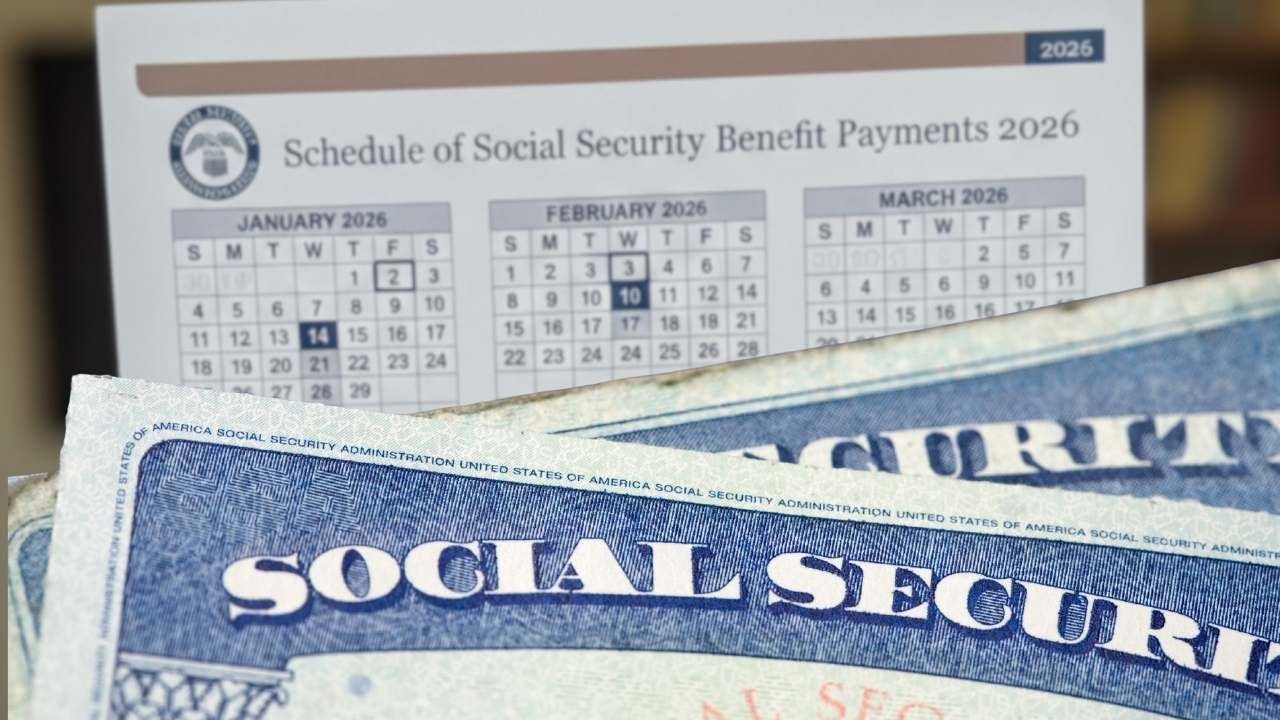
The Social Security Administration has officially confirmed the February 2026 payment schedule, providing much-needed clarity for millions of retirees, people with disabilities, and eligible family members across the United States. For many households, Social Security income is not supplemental—it is essential. Rent, groceries, healthcare, insurance, and utility bills often depend on these monthly payments arriving on time.
February can create added concern because it is the shortest month of the year. However, the SSA has reaffirmed that benefit amounts are never reduced due to fewer days in a month. Payments follow the same long-established system, ensuring beneficiaries receive their full monthly amount without delay.
Why February Social Security Payments Matter

For individuals living on fixed incomes, timing matters as much as the benefit amount itself. Many recurring expenses are scheduled early in the month, and even a brief delay can lead to overdraft fees or late payment penalties. That is why February payment schedules consistently draw close attention.
The SSA’s confirmation helps remove uncertainty. Knowing exact deposit dates allows beneficiaries to budget confidently, plan bill payments, and avoid unnecessary financial stress. February 2026 follows the same structured approach used throughout the year, with payments distributed across several dates rather than all at once.
How Social Security Determines Payment Dates
Social Security payments are not sent to all beneficiaries on a single day. Instead, the SSA uses a structured system based on two primary factors: when a person first began receiving benefits and, for many recipients, their date of birth.

Beneficiaries who started receiving Social Security before May 1997 remain on the long-standing early-month schedule. Those who began receiving benefits in May 1997 or later follow a Wednesday-based system tied to their birth date. This approach has been in place for decades and ensures the national payment system remains stable and predictable.
First February 2026 Payment Date: February 3
The earliest Social Security payments for February 2026 will be issued on February 3. This date applies to two groups of beneficiaries: those who began receiving Social Security before May 1997 and individuals who receive Supplemental Security Income.
Recipients on this schedule are accustomed to receiving their payments at the very start of each month. Funds may arrive through direct deposit, a Direct Express debit card, or a mailed paper check, depending on the method selected. Direct deposit continues to be the fastest and most reliable option.
Wednesday Payments Based on Birth Dates

For beneficiaries who began receiving Social Security in May 1997 or later, February payments are distributed on Wednesdays. The specific date depends on the recipient’s birth day.
Those born between the 1st and 10th of the month will receive their February payment on February 11, 2026. Beneficiaries with birthdays between the 11th and 20th will be paid on February 18, 2026. Individuals born between the 21st and 31st will receive their payment on February 25, 2026.
This staggered schedule ensures payments are spread evenly throughout the month, reducing processing strain and helping banks handle deposits efficiently.
February’s Shorter Length Does Not Reduce Benefits
A common concern among beneficiaries is whether February’s shorter length affects benefit amounts. The SSA has clearly stated that Social Security benefits are monthly payments, not daily ones. This means the full benefit is paid regardless of whether a month has 28, 29, 30, or 31 days.
The only time payment dates shift is when a scheduled date falls on a weekend or federal holiday. In those situations, payments are issued earlier, not later. February 2026 does not involve any skipped payments, reduced benefits, or unusual adjustments.
What to Do if a Payment Appears Late
Most Social Security payments arrive exactly on the scheduled date. However, minor delays can occasionally occur due to bank processing times. If a payment does not appear on the expected day, the SSA recommends waiting three business days before taking action.
During this period, beneficiaries should check their bank account or Direct Express card regularly. If the payment has still not arrived after three business days, contacting the Social Security Administration is the next step. In many cases, delays are linked to outdated banking details or temporary processing issues that can be resolved quickly.
How Knowing the Schedule Supports Better Financial Planning
Clear payment dates allow beneficiaries to plan expenses more effectively. Rent, utilities, insurance premiums, and medical costs can be scheduled around known deposit dates. For those receiving payments on February 3, having funds available early in the month can be especially helpful for managing fixed expenses.
Understanding that February follows standard rules also helps reduce anxiety. There is no additional payment and no reduction—just the regular monthly benefit delivered according to established guidelines.
Staying Prepared for Future Social Security Payments
Keeping personal information up to date with the SSA is one of the most effective ways to avoid payment disruptions. Beneficiaries are encouraged to maintain accurate banking details and mailing addresses. Creating an online Social Security account provides easy access to payment history, benefit amounts, and official notices.
With the February 2026 schedule clearly defined, beneficiaries can move into the month with confidence, knowing exactly when their Social Security income will arrive and how to plan their finances around it.
Final Takeaway
The Social Security February 2026 payment schedule confirms four distinct payment dates, following the same dependable system used throughout the year. Benefits are not reduced because of the shorter month, and payments are not delayed without cause. By understanding the schedule and staying informed through official channels, beneficiaries can manage their finances with clarity and peace of mind.
Disclaimer: This article is for informational purposes only and does not provide legal, financial, or retirement advice. Social Security payment schedules, benefit rules, and eligibility requirements are subject to change based on official government decisions. For the most accurate and up-to-date information, beneficiaries should contact the Social Security Administration directly or consult official SSA resources.